


KenBarkly
4.6366.00 Reviews
App Specs
- Version
- 1.1.2
- Updated On
- License
- Free
- Downloads
- 100,000+
- Developer
- willman james
- Categories
- Video Players & Editors
- Platform
- Android
Screenshots
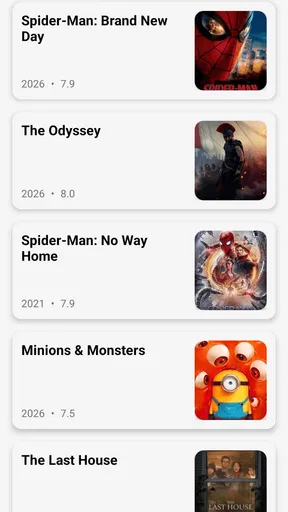
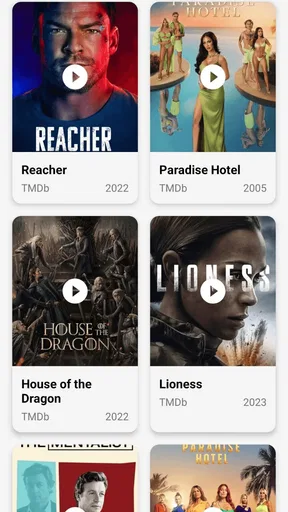
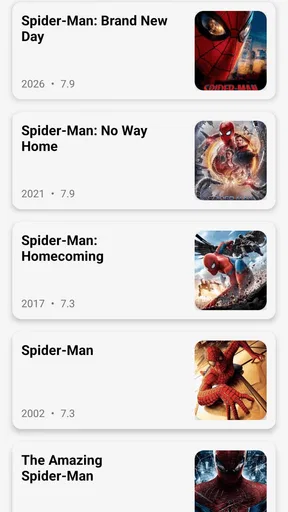
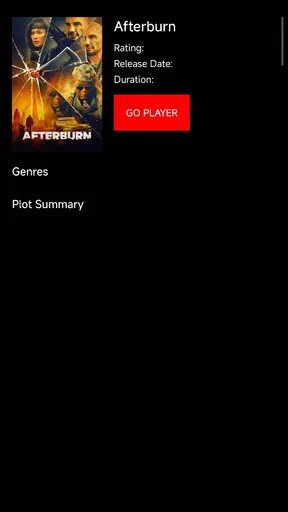
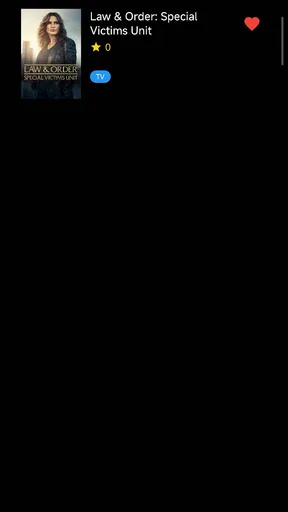
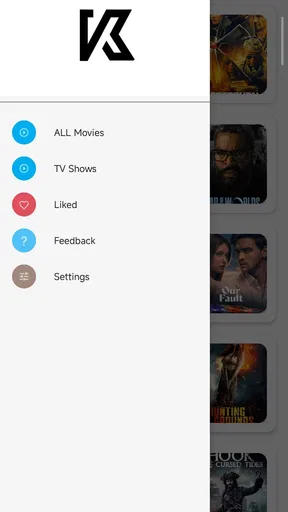
 Analysis by AppCompare
KenBarkly is a free Android app in the video players and editors category, built around the simple idea suggested by its store summary: trailers. I approached it as a lightweight way to look through trailer-focused video content rather than as a full editing studio or a complete replacement for a general streaming service. That distinction matters, because the app feels most useful when I want a focused viewing session instead of a large collection of unrelated video tools.
The app is published by willman james, has an Everyone content rating, and runs on Android 7.0 or later. Its current version is 1.1.2. Those details make it accessible to people using older Android phones, while the straightforward presentation should also be easy enough for someone who does not want to learn a complicated video interface. I found the best results came from treating it as a quick discovery tool: open it, browse what is available, watch a few previews, and decide what deserves more attention elsewhere.
How KenBarkly fits into a normal viewing routine
My baseline workflow with KenBarkly was deliberately simple. I opened the app when I wanted trailer-style viewing, scanned the available material, and used the short format to make quick decisions. This is a different habit from opening a broad video platform and immediately getting pulled into unrelated recommendations. A focused trailer app can be useful when the question is not “What can I watch for hours?” but “What looks worth watching next?”
That narrow purpose is also the first thing to understand before installing it. The app should not be judged like a professional editor, a movie library, or a social video network. Its value is in reducing the distance between curiosity and a preview. If I am choosing something for a relaxed evening, looking for a few ideas before a trip, or helping someone decide what to watch, a compact trailer-oriented app makes sense. If I need to cut clips, add captions, manage a personal media library, or stream a complete film, I would use a different kind of application.
The store short description is “KenBarkly,” while the broader summary is “Trailers.” That combination gives a small amount of context but not a detailed explanation of the workflow, so I would set expectations carefully. This is an app to explore and view trailer content, not one I would install expecting a large set of production tools. Its strength comes from focus, and its weakness comes from that same focus if your needs extend beyond previews.
In everyday use, I would keep it as a companion rather than my only video app. For example, after work I might open it for a short browsing session, save a mental note of the titles that catch my attention, and then switch to the service where I normally watch full content. That two-step habit is more realistic than expecting KenBarkly to handle the entire process from discovery through long-form viewing.
What I would check before making it a regular app
Before settling into a routine, I would spend a few minutes observing how the app behaves on my particular phone. Older Android compatibility is helpful, but compatibility does not guarantee that every device will feel equally quick. I would check how smoothly the trailer list opens, how quickly previews begin, and whether returning from a video takes me back to the same browsing position. These small details determine whether a focused viewer feels convenient or irritating.
Worth Reading Before You Choose

EA SPORTS FC Mobile 26 Is a Bigger Football Game, but It Takes Time

Flipboard Shows What News Apps Must Do Beyond the Feed

Switching to Android Auto Means Rethinking Your Driving Routine

Google Calendar Makes a Crowded Week Easier to Manage

Ludo King Makes the Most of the Minutes Between Plans

Baby Panda World Brings Quick Play to Modern Phones, but Its Game Library Feels Busy
I would also pay attention to how much information appears around each trailer. A useful preview workflow depends on being able to identify what I am looking at without repeatedly opening and closing items. When a trailer app gives enough context at the browsing stage, it supports quick comparisons. When it requires constant back-and-forth, the experience becomes slower, especially for someone comparing several possibilities in one sitting.
Another practical check is whether the app suits short sessions. I think KenBarkly makes more sense for a few minutes of browsing than for an extended viewing marathon. That is not a criticism by itself. Trailer apps can be valuable precisely because they help fill small gaps in the day. I would use it while waiting, planning a movie night, or looking for a quick visual preview, rather than expecting it to replace a full entertainment platform.
Settings and habits that make the experience easier
Because KenBarkly is a focused app, I would avoid assuming that a long settings tour is necessary. Instead, I would check the options that affect the basic viewing loop: playback behavior, display preferences, notification choices if they are offered on the device, and anything related to data usage. I would not change settings just for the sake of changing them. The useful approach is to identify the one or two choices that match how I watch videos and leave the rest alone.
Data awareness is especially important for trailer browsing. Several short previews can become a surprisingly inefficient mobile habit if I let them play automatically while scrolling. On a limited connection, I would browse selectively and avoid opening every item simply because it appears in the list. On Wi-Fi, I would be more relaxed, but I would still close videos rather than leaving them running while I do something else. This is a simple discipline, yet it makes the app feel much more intentional.
I would also set up a repeatable stopping point. Instead of opening KenBarkly without a plan and continuing until the suggestions blur together, I would decide to review a small group of trailers, choose the most promising ones, and leave. This makes the app useful for decision-making rather than turning it into another endless scroll. The best setting is often a repeatable habit: browse with a purpose, watch selectively, and stop when the shortlist is clear.
For users who share a phone or use it in a family setting, the Everyone rating is reassuring from an access perspective, but I would still apply ordinary judgment to the individual videos shown. A general age rating describes the app’s overall classification; it does not mean every trailer will appeal to every viewer. Parents choosing content for younger children should still watch alongside them or review selections rather than handing over the device without context.
The app’s free price removes the most obvious barrier to trying it. I could install it without committing money and decide from actual use whether its focused trailer workflow fits my routine. Free access is helpful here because the app has a specific purpose, and not everyone will need that purpose often enough to justify paying for a more specialized service. At the same time, free does not automatically mean frictionless, so I would judge it by how quickly it helps me find something worthwhile.
Faster patterns for regular users
Experienced use is less about discovering a secret feature and more about removing unnecessary steps. My first faster pattern would be to use KenBarkly at the moment I have a viewing question. If I am asking what to watch tonight, I open it then. If I am only passing time, I remind myself that random browsing may not produce a useful result. Matching the app to a clear purpose keeps the session short and makes the recommendations easier to evaluate.
My second pattern would be a two-pass review. On the first pass, I would scan titles and visuals without opening everything. On the second pass, I would play only the trailers that still look relevant. This avoids spending time on previews that I already know do not match my mood. It also makes comparisons fairer because I am looking at a deliberate shortlist rather than a random stream.
A third useful habit is to separate discovery from commitment. A trailer is designed to create interest, not to guarantee that the full work will suit me. I would use KenBarkly to identify possibilities, then check the normal platform or source I trust before deciding. This prevents the common mistake of treating a polished preview as complete evidence that the final film or show is worth my time.
I would also keep the phone’s orientation and volume ready before beginning a session. That sounds minor, but trailer viewing is more enjoyable when I am not repeatedly interrupting playback to adjust the device. If I am in a public place, I would use headphones and keep the volume moderate. If I am showing trailers to friends, I would queue a few choices mentally before handing over the phone, rather than making everyone wait through a long search.
Another practical technique is to use the app for conversation. When friends cannot agree on a movie, I would ask each person to choose one trailer from a short browsing session. The app then becomes a neutral way to compare ideas rather than a source of endless debate based only on posters or titles. This is a small but concrete use case that suits the short-form nature of trailer content.
Where KenBarkly is useful, and where it falls short
The main trade-off is focus versus range. Compared with a general video platform, KenBarkly may feel cleaner for trailer discovery because the purpose is narrower. A general platform usually offers more content types, stronger account ecosystems, and a broader set of viewing tools, but it can also bury useful previews under unrelated videos. I would choose KenBarkly when I want the focused side of that trade-off.
Compared with a full streaming service, the difference is even clearer. A streaming service is better when I already know what I want to watch and need complete episodes or films, playback continuity, profiles, subtitles, and a larger long-form experience. KenBarkly is better earlier in the decision process, when I am still exploring. Trying to use it as a streaming replacement would leave me disappointed because trailers are previews, not the destination.
Compared with a professional video editor, the app belongs to an entirely different group. An editor is designed for importing footage, trimming sequences, arranging a timeline, adding sound, and exporting a finished project. KenBarkly’s trailer-centered identity makes it unsuitable for those tasks. I would skip it if my goal is to create content, edit family videos, or prepare clips for social media.
Its limitations are therefore practical rather than mysterious. A narrow app can feel repetitive if I browse without a specific goal. It may also be less satisfying for users who want extensive organization, detailed controls, or a single place for every stage of video consumption. I would not recommend it to someone who wants a powerful media hub. I would recommend trying it to someone who values quick trailer discovery and is comfortable moving to another app for full viewing.
The free model makes experimentation easy, but it also means I would not assume that the app deserves permanent space on every phone. After a week of occasional use, I would ask whether it actually changes how I choose videos. If it helps me find options faster, it earns its place. If I keep opening it without choosing anything, a general service with a stronger personal library may be more useful.
What the audience numbers suggest about confidence
KenBarkly has an average rating of 4.6 from around 1.1 thousand ratings, with over 100 thousand installs and roughly 363 written reviews. Those figures indicate that the app has attracted a meaningful audience and that many people have responded positively to it. I would treat that as encouraging, not as a guarantee that it will fit every device or viewing style.
Written reviews can be especially useful before installation because they may reveal whether people value the same things I do: quick access, simple browsing, and trailer-focused viewing. I would look for comments that describe actual routines rather than relying only on the average score. A high rating supports trying the app, while my own short test should decide whether its workflow feels natural.
Since the app is free and supports Android 7.0 or later, the entry barrier is modest for many Android users. Still, I would leave enough storage and close other demanding apps if playback feels strained. I would not interpret a small performance issue on one older phone as proof that the concept is poor, but I also would not ignore repeated stuttering or slow navigation. The right app is the one that works comfortably on the device I actually use.
My verdict after building a repeatable workflow
After looking at KenBarkly as a daily tool rather than a novelty, I see it as a focused trailer companion. I like the idea of opening one dedicated place when I want previews, especially when the alternative is wandering through a general video feed. The app is easiest to recommend to people who enjoy deciding what to watch through short visual samples and who do not mind using another service for the complete title.
I would skip it if I need editing controls, a full movie library, advanced organization, or a single app that handles discovery and long-form playback together. I would also avoid making it a background entertainment app; its value is stronger when I use it deliberately. The two-pass browse-and-watch method, selective playback on mobile data, and a clear stopping point make the experience more efficient than simply tapping through everything.
For me, the final judgment is positive but specific. KenBarkly is not trying to solve every video problem, and I would not pretend that it does. Its appeal is the focused trailer workflow, free access, broad Android compatibility, and uncomplicated role in a larger viewing routine. If that matches what you need, it is worth trying. If you want to edit, stream full content, or manage a serious media collection, choose a tool built for those jobs instead.
My recommendation: install it when your main question is “What should I watch next?” Use it in short, intentional sessions, compare its previews with your usual viewing source, and keep it only if it genuinely makes that decision faster. That is where KenBarkly feels most convincing: not as an all-purpose video platform, but as a small, practical step between curiosity and a final choice.
Pros
- Simple interface that is easy to navigate for first-time users.
- Useful tools for organizing pet-related information in one place.
- Convenient access to KenBarkly services from a mobile device.
- Can help keep important pet details readily available when needed.
- Suitable for users who prefer managing tasks digitally.
Cons
- Some features may require an account or personal information.
- The app’s usefulness depends on available KenBarkly services in your area.
- Notifications may become distracting if too many are enabled.
- Performance can vary on older phones or slower connections.
- Limited value for users who do not use KenBarkly’s related services.
FAQs for KenBarkly
What is KenBarkly and what can I use it for?
KenBarkly is an app designed to help users explore and interact with its available features through a mobile-friendly interface. Before downloading, it is worth checking the current app description and screenshots because the exact tools, supported content, and intended audience may vary by version. In general, users should review the developer information and recent updates to confirm that KenBarkly matches their expectations.
Is KenBarkly free to download and use?
KenBarkly may be available as a free download, but some features, content, subscriptions, advertisements, or in-app purchases could depend on the version installed and the platform used. I recommend checking the Google Play Store or Apple App Store listing before installing it. Pay particular attention to the pricing section, recurring subscription terms, trial conditions, and cancellation instructions so there are no unexpected charges.
Is KenBarkly safe and trustworthy to install?
Before installing KenBarkly, download it only from an official app store or a verified source. Review the developer name, ratings, recent user comments, update history, and requested permissions. Avoid unofficial APK files or modified versions, since they may contain security risks. It is also sensible to read the privacy policy and understand whether the app collects account details, device information, location data, or usage activity.
What permissions and account information does KenBarkly require?
The permissions required by KenBarkly can differ depending on the device, operating system, and features you use. During setup, carefully review requests for notifications, storage, camera, microphone, contacts, location, or other sensitive access. Only grant permissions that appear necessary. If registration is required, check what personal information must be provided and whether you can use the app with limited functionality without creating an account.
Will KenBarkly work on my Android or iPhone?
Compatibility depends on the operating system version, device hardware, available storage, and the specific release of KenBarkly. Check the official store page for the minimum Android or iOS requirement before downloading. Older phones may install the app but experience slower performance, missing features, or crashes. Keeping your operating system and the app updated can also improve stability and compatibility after installation.


